WTF is the Economic Impact of Flooding?
When most people think about flooding, they think about inconvenience.
Traffic delays. Wet shoes. Road closures. Maybe a stalled car. But flooding isn't just costing us time.
It's costing Miami money—and a lot of it.
As flooding becomes more frequent across Miami-Dade County, the economic impacts are growing too. And even people whose homes never flood will feel the effects.
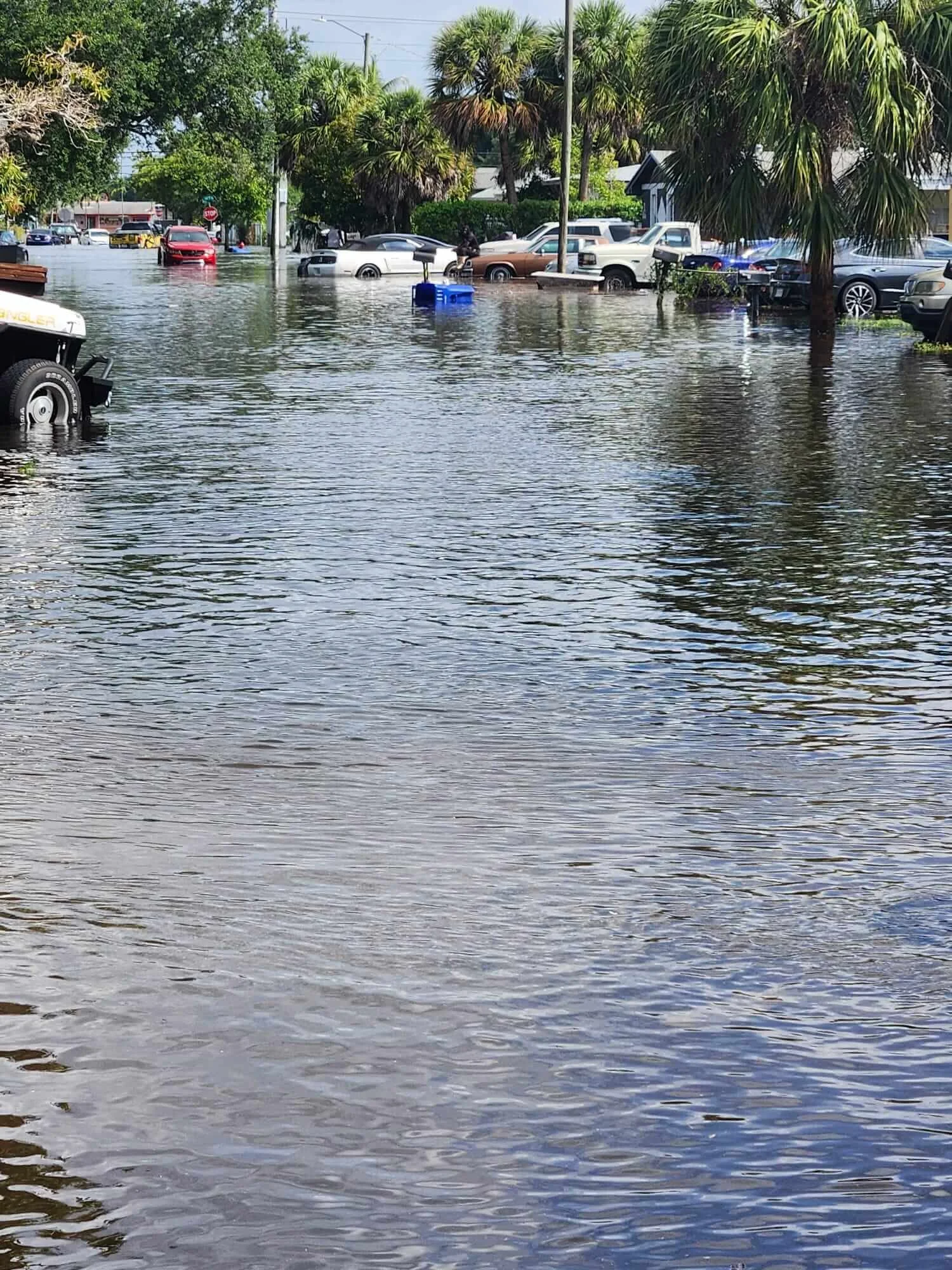
Miami flooding costs billions in property damage, lost tourism, and strained public services. Learn the full economic impact of flooding in Miami-Dade County.
Property Values Are at Risk
Miami's economy is closely tied to real estate, especially in areas like Downtown and Brickell.
Some estimates suggest that chronic tidal flooding could reduce property values by more than $4 billion over the next fifteen years. Major storms could add billions more in property damage.
Those losses wouldn't just affect property owners. They would ripple throughout the entire community.
Public Services Depend on Property Values
Property taxes help pay for many of the services we rely on every day, including police, fire rescue, schools, roads, and waste collection.
When property values decline, local governments collect less tax revenue. That means fewer resources are available to maintain infrastructure and provide essential services.
In other words, flooding doesn't just affect individual properties—it affects the entire community.
Businesses Feel the Impact Too
Flooding doesn't stop at the front door.
When streets flood, customers stay home. Deliveries get delayed. Employees struggle to get to work.
Some businesses already close during heavy flooding events. If flooding becomes more frequent, more businesses may be forced to relocate or shut down altogether.
That means fewer jobs, less economic activity, and less tax revenue to support public services.
What About Tourism?
Tourism is one of Miami's most important industries.
People come here for our beaches, waterfronts, restaurants, and outdoor lifestyle.
But flooding can damage that reputation. Flooded streets, beach closures, polluted waterways, and damaged infrastructure all make Miami a less attractive place to visit.
And fewer visitors means less money flowing through the local economy.
The Cost of Doing Nothing
It's easy to look at resilience projects and wonder whether they're worth the investment.
But here's the reality: doing nothing has a cost too.
Flooding damages roads and bridges, lowers property values, disrupts businesses, strains public budgets, and threatens the industries that help drive Miami's economy.
The longer we wait, the more expensive those impacts become.
Investing in Miami's Future
The good news is that these outcomes aren't inevitable.
We know what's causing flooding. We know many of the solutions. And we know that investing in resilience today can help avoid much larger costs tomorrow.
The question isn't whether Miami can afford to address flooding, it's whether Miami can afford not to. But flooding doesn't just affect our economy. Every flood also carries something else through our streets, neighborhoods, and waterways.
Oil. Chemicals. Trash. Sometimes even sewage.
Which raises another important question:
What the flood is actually in that water?
TAKE ACTION
What the Flood Are We Waiting For?
Miami's flooding problem isn't a mystery. We know what's causing it. We know what can help. What we need now is action.
Every year, our elected officials make decisions about stormwater infrastructure, coastal resilience, water quality, and development.
Sign the petition to tell them: Protect our neighborhoods and Biscayne Bay. Invest in stormwater infrastructure.