WTF is in That Water?
You ever see people splashing around in flooded streets after a big rainstorm? Maybe you've seen someone riding a bike through it, wading through it, or even joking about turning Brickell into Venice. It might look harmless. But before anyone jumps into floodwater, they should ask themselves:
What the flood is actually in that water?
The answer is: a lot more than rain.
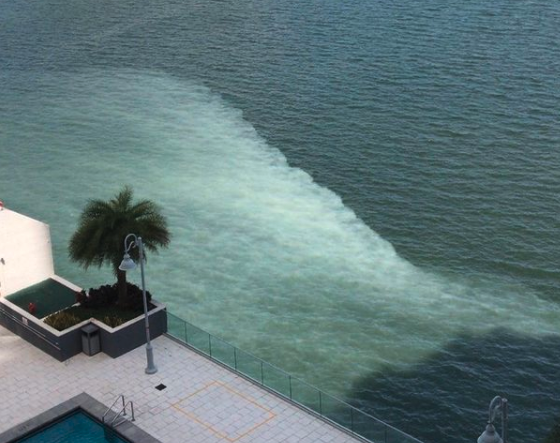
Murky stormwater discharge plume flowing into Biscayne Bay in Miami, viewed from above a waterfront building
Everything We Leave on the Ground
When floodwaters move through our streets and neighborhoods, they pick up everything in their path.
Oil and gasoline leaking from cars.
Chemicals from roads and parking lots.
Fertilizers and pesticides from lawns and landscaping.
Trash and litter.
And yes—even pet waste.
All of it gets washed into the same water filling our streets.
It Can Get Even Worse
During major flooding events, septic tanks and sewage systems can become overwhelmed. When that happens, sewage can back up or overflow into floodwaters. That means floodwater may contain human waste, bacteria, and other contaminants that nobody wants to come into contact with.
Suddenly, that puddle in the street isn't just a puddle anymore.
Why It Matters
This mix of chemicals, pollutants, and waste isn't just gross—it's a real public health concern. After flooding events, hospitals often see increases in flood-related illnesses and infections. Contaminated water can enter the body through even small cuts and scrapes. It can also cause skin irritation, rashes, and allergic reactions. The risks increase the longer people are exposed to floodwater. That's why public health officials often advise people to avoid contact with floodwaters whenever possible.
Think Twice Before Driving Through It
Floodwater doesn't just pose risks to people walking through it. It can also damage vehicles. Water is often deeper than it appears, and debris hidden beneath the surface can cause serious damage to tires, engines, and undercarriages. Even relatively shallow moving water can be dangerous for drivers. A flooded roadway might seem like a shortcut, but it can quickly become an expensive mistake.
What Can We Do?
The first step is simple: avoid walking or driving through floodwater whenever possible. We can also help keep storm drains clear of debris so water can move through the system more effectively during storms. But the reality is that personal choices alone won't solve the problem. As we've seen throughout this series, Miami's flooding challenges are bigger than any one storm, street, or neighborhood.
Floodwater is carrying the consequences of rising seas, aging infrastructure, overwhelmed drainage systems, and decades of development that left water with fewer places to go. The good news is that we know many of the solutions. By investing in modern infrastructure, improving water management, restoring natural systems, and supporting smart planning, Miami can reduce flooding and the risks that come with it.
The question isn't whether flooding affects all of us. It's whether we'll act before the next flood arrives.
TAKE ACTION
What the Flood Are We Waiting For?
Miami's flooding problem isn't a mystery. We know what's causing it. We know what can help. What we need now is action.
Every year, our elected officials make decisions about stormwater infrastructure, coastal resilience, water quality, and development.
Sign the petition to tell them: Protect our neighborhoods and Biscayne Bay. Invest in stormwater infrastructure.